


|
|
| Key Points | |
 | |
| |
 |
The autonomic nervous system regulates body temperature, circulation, respiration, digestion, metabolism, and bladder and sexual function. | ||
|
Autonomic nervous system disorders are important but underrecognized causes of symptoms. | ||
|
The symptoms of autonomic nervous system dysfunction often are nonspecific. Autonomic nervous system dysfunction may be hard to confirm by clinical examination. | ||
|
Laboratory testing is valuable to confirm autonomic nervous system dysfunction. | ||
|
Autonomic nervous system dysfunction can be restricted to one organ or may be widespread, involving all organs innervated by the autonomic nervous system. | ||
|
Treatment is largely symptomatic and is directed to the specific symptoms of the autonomic nervous system dysfunction. | ||
| |
| Structure and Function | |
| |
| |
| |
| The autonomic nervous system (ANS) consists of two main divisions: sympathetic and parasympathetic (Fig. 1). Both have various centers in the brain, with descending pathways to the brain stem and spinal cord. Sympathetic nerve fibers leave through the thoracic and upper lumbar spinal nerve roots and enter the ganglia of the paravertebral sympathetic chain. Postganglionic fibers then travel with peripheral nerves and arteries to supply various organs and structures. Parasympathetic fibers leave the central nervous system (CNS) through some of the cranial and sacral spinal nerves to reach the parasympathetic ganglia, which are smaller than the sympathetic ganglia and are located close to their effector organs. | |
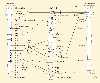 |
Figure 1 |
| |
| The classic transmitters of the peripheral ANS are acetilcolina and noradrenaline (Fig. 2). Neuropeptides have been identified as important cotransmitters. | |
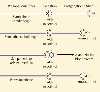 |
Figure 2 |
| |
| The ANS regulates bodily activities that are not under ordinary voluntary control (eg, temperature, circulation, respiration, digestion, metabolism, and the activity of the genitourinary system). The two divisions of the ANS often function as physiologic antagonists, and it is the balance of their activities that maintains good function in an organ. | |
| |
| Heart rate mainly is controlled by parasympathetic (vagus) nerves, with less input from the sympathetic nerves. Blood pressure mainly is regulated by the sympathetic system. Both are reflexly activated by the baroreceptors. The gastrointestinal tract is innervated by the enteric nervous system, to which both ANS divisions contribute. This system controls gut motility, secretions, and blood flow. The storage and elimination of urine depend on the integrated activity of the bladder and the urethral sphincters. Both sympathetic and parasympathetic nerve fibers contribute. The ANS also controls sexual function: penile or clitoral engorgement, glandular secretion, emission, and ejaculation. In the eyes, the ANS supplies the pupils, the ciliary muscles controlling accommodation, and the tear glands. Autonomic fibers to the skin innervate the sweat glands and blood vessels and are thus important in temperature regulation. | |
| |
| Clinical Evaluation | |
| |
| |
| |
| Symptoms suggesting autonomic dysfunction are listed in Table 1. The clinical examination for autonomic dysfunction is limited. One of the few reliable signs is orthostatic hypotension (systolic blood pressure fall > 20 mm Hg, diastolic blood pressure fall > 10 mm Hg, or both when the patient goes from lying to standing). The postural fall may be immediate or delayed and occasionally becomes apparent only after exercise. Careful examination of the pulse rate on standing may show a lack of tachycardia in a patient with disordered cardiac innervation, but usually an electrocardiogram is required to detect this feature. Abnormally reacting pupils may be readily detected, but dryness of the eyes, mouth, or skin is often difficult to ascertain clinically. | |
|
| Table 1 Symptoms of autonomic dysfunction |
| Postural faintness or loss of consciousness |
| Gastrointestinal dysfunction |
| Bloating |
| Diarrhea |
| Constipation |
| Rectal incontinence |
| Bladder dysfunction |
| Sexual dysfunction |
| Poor erections |
| Impaired ejaculation |
| Decreased or increased sweating |
| Dry mouth or dry eyes |
| Blurring of near vision |
| Cold or discolored extremities |
| |
| Tests of ANS function | |
| |
| |
| |
Tests of autonomic function
(Table
2) are gradually becoming more readily available in laboratories
dedicated to ANS testing [1 ]. ]. | |
|
| Table 2 Tests of autonomic nervous system function | |
| Function | Type of test |
| Heart rate | Measures the reduced heart rate response to standing, to deep breathing, and to Valsalva maneuver |
| Blood pressure | Uses a continuous noninvasive monitor that records blood pressure following changes of posture on a tilt table and/or from lying/standing and/or during Valsalva maneuver, also prolonged tilt-table testing for vasovagal syncope |
| Sweating | Determines the areas of sweating by the change in color of heat-sensitive powders on the skin after whole-body warming |
| Evaluates responses to injected or iontophoresced sweat-stimulating chemicals (Acetilcolina or pilocarpine) | |
| Uses bioelectric skin potentials (sympathetic skin responses) | |
| Gut motility | Transit times are evaluated radiologically by barium meal studies, radiopaque pellets, and chemical markers |
| Bladder | Uses a urodynamic battery of tests |
| Cystometrography | |
| Urethral pressure profiles | |
| Uroflowmetry | |
| Pudendal nerve conduction studies | |
| Sphincter electromyography | |
| Sexual function | Evaluates nocturnal erections by penile tumescence testing in a sleep laboratory |
| Measures blood pressure in the penis using Doppler techniques | |
| Determines prolactin levels; if elevated, a pituitary prolactinoma is present | |
| Uses intracavernous papaverine injections to produce erections in patients with psychogenic or neurogenic impotence but not with arterial insufficiency | |
| Pupils | Shows brisk
constriction with dilute pilocarpine in Adie s
pupils s
pupils |
| Produces pupillary
dilatation with hydroxyamphetamine drops in Horners syndrome when
damage lies in the central nervous system | |
| Lacrimation | Uses Schirmer strips (a thin band of absorbent paper is inserted into the lower eyelid for 5 min); moistening of less than 5 mm is abnormal |
| |
| Clinical Syndromes | |
| |
| |
| |
| Clinical disorders of the ANS
can be conceptualized in a manner similar to other neurologic disorders.
They may involve the CNS or the peripheral nervous system, or both; they
may be focal or restricted (eg, Horners syndrome) or
involve the ANS diffusely; therefore, they are called generalized
dysautonomias (eg, pure autonomic failure). Dysautonomias also
can be considered primary (degenerative disorders) or secondary to
traumatic, vascular, or other identifiable
causes. | |
| Orthostatic Hypotension |
|
| |
| Orthostatic hypotension has many causes, only some of which involve the ANS (Table 3). Patient history and examination often reveal the cause, but some individuals require extensive medical and neurologic investigations to establish the etiology. | |
|
| Table 3 Disorders associated with orthostatic hypotension |
| Central nervous system disorders |
| Multiple system atrofia |
| Parkinsons
disease |
| Wernickes
encephalopathy |
| Posterior fossa tumors |
| Brain stem lesions |
| Spinal cord lesions |
| Peripheral nervous system disorders |
| Diabetes mellitus |
| Pure autonomic failure |
| Acute dysautonomia |
| Peripheral neuropathies (acute or chronic) |
| Medications |
| Antihypertensive agents |
| Diuretics |
| Antianginal medications |
| Phenothiazines |
| Levodopa |
| Impaired circulation |
| Hypovolemia |
| Anemia |
| Electrolyte disturbances (metabolic or hormonal) |
| Adrenal insufficiency |
| Pheochromocytoma |
| Orthostatic hypotension of the elderly |
|
| Vasovagal (Neurocardiogenic) Syncope |
|
| |
Vasovagal syncope is an acute
hemodynamic event that consists of bradycardia and hypotension resulting
in a marked reduction in cardiac output and cerebral perfusion. Episodes
may be triggered by the sight of blood or needles or by other stimuli
( reflex syncopes reflex syncopes ) but often occur spontaneously. The cause is unknown.
There appears to be a sudden excess of vagal impulses to the heart
(producing bradycardia) and a concomitant withdrawal of sympathetic
vasoconstrictor impulses to the blood vessels (producing hypotension) [2].
Recording the pulse and blood pressure during a prolonged tilt of 60?or
more on a tilt table often reproduces these events and is a useful
diagnostic test [3]. ) but often occur spontaneously. The cause is unknown.
There appears to be a sudden excess of vagal impulses to the heart
(producing bradycardia) and a concomitant withdrawal of sympathetic
vasoconstrictor impulses to the blood vessels (producing hypotension) [2].
Recording the pulse and blood pressure during a prolonged tilt of 60?or
more on a tilt table often reproduces these events and is a useful
diagnostic test [3]. | |
|
| Multiple System Atrofia |
|
| |
| Multiple system atrofia (MSA) is a progressive neurologic disorder with prominent autonomic dysfunction [4,5]. When ANS features predominate, the term Shy-Drager syndrome is used. When parkinsonian features predominate, the disorder is often designated striatonigral degeneration. When ataxia and corticospinal tract involvement are prominent, the disorder is often labeled olivopontocerebellar atrofia. All conditions are thought to be variants of a widespread CNS degenerative disorder, the cause of which is unknown. MSA is relentlessly progressive, with death occurring within 7 years of onset. | |
|
| Pure Autonomic Failure |
|
| |
| Pure autonomic failure is a chronic disorder that produces mainly orthostatic hypotension, male sexual dysfunction, and bladder dysfunction. Some patients develop, over time, the somatic neurologic features of MSA. | |
|
| Parkinsons Disease |
|
| |
| About 10% of patients with
Parkinsons disease have dysautonomic symptoms. Orthostatic hypotension may
be unmasked or worsened by the medications used to treat Parkinsons
disease. | |
|
| Diabetes Mellitus |
|
| |
Diabetic patients can develop
various dysautonomias: restricted or generalized, symptomatic, or those
detected only by special tests [6,7 ].
They often are associated with generalized peripheral neuropathy.
Orthostatic hypotension can be a serious problem. Cardiac innervation also
can be affected, producing a resting tachycardia, a fixed heart rate, and
reduced heart rate variations on lying to standing. This abnormal cardiac
innervation may contribute to the sudden and unexplained deaths in
patients with diabetic autonomic neuropathy. Gastric atony causes
abdominal distention, nausea, and vomiting. Midgut and lower gut
dysfunction causes diarrhea that is often intermittent, worse at night,
and associated with abdominal cramps and anorectal incontinence. It is
uncertain whether bacterial overgrowth or autonomic neuropathy is the more
important cause; improvement with antibiotics suggests the former. Sexual
dysfunction affects up to 40% of diabetic men. The principal cause is
probably autonomic neuropathy, but vascular factors may contribute. Sexual
function in diabetic women is thought to be normal. Some patients develop
atonic bladders caused by the loss of bladder sensation and detrusor and
sphincter dysfunction. Urinary tract infections with fibrosis and scarring
worsen the situation. Decreased sweating distally in the limbs is common
in patients with diabetic polyneuropathy but is of little importance.
Gustatory sweating (excessive sweating on the face or torso when eating,
sometimes only specific foods) can be troublesome. Hypoglycemic
unawareness, with a lack of sweating and tachycardia, also is caused by
dysautonomia. ].
They often are associated with generalized peripheral neuropathy.
Orthostatic hypotension can be a serious problem. Cardiac innervation also
can be affected, producing a resting tachycardia, a fixed heart rate, and
reduced heart rate variations on lying to standing. This abnormal cardiac
innervation may contribute to the sudden and unexplained deaths in
patients with diabetic autonomic neuropathy. Gastric atony causes
abdominal distention, nausea, and vomiting. Midgut and lower gut
dysfunction causes diarrhea that is often intermittent, worse at night,
and associated with abdominal cramps and anorectal incontinence. It is
uncertain whether bacterial overgrowth or autonomic neuropathy is the more
important cause; improvement with antibiotics suggests the former. Sexual
dysfunction affects up to 40% of diabetic men. The principal cause is
probably autonomic neuropathy, but vascular factors may contribute. Sexual
function in diabetic women is thought to be normal. Some patients develop
atonic bladders caused by the loss of bladder sensation and detrusor and
sphincter dysfunction. Urinary tract infections with fibrosis and scarring
worsen the situation. Decreased sweating distally in the limbs is common
in patients with diabetic polyneuropathy but is of little importance.
Gustatory sweating (excessive sweating on the face or torso when eating,
sometimes only specific foods) can be troublesome. Hypoglycemic
unawareness, with a lack of sweating and tachycardia, also is caused by
dysautonomia. | |
|
| Orthostatic Hypotension of the Elderly |
|
| |
| Orthostatic hypotension of the elderly is an underdiagnosed cause of dizziness, unsteadiness, syncope, and falls. Causes are multifactorial, including aging changes in the ANS, medications, prolonged recumbency, and concurrent illness. | |
|
| Chronic Alcoholism |
|
| |
| Many alcoholic patients are
asymptomatic, but tests of autonomic function often reveal abnormalities.
There is a divergence of opinion about the occurrence and frequency of
orthostatic hypotension in alcoholics [8].
It has been reported to be frequent in those with Wernickes encephalopathy and
chronic liver disease. Hypothermia is common and has been attributed both
to the vasodilator effects of alcohol and to dysfunction of hypothalamic
thermoregulatory mechanisms. Decreased sweating contributes to accidental
hyperthermia in hot climates. Erectile impotence is frequent in
alcoholics, but it more often results from psychogenic or endocrinologic
causes than ANS dysfunction. | |
|
| Spinal Cord Lesions |
|
| |
| Autonomic abnormalities vary with the time after the injury or disease onset and with the extent and cause of the damage. Trauma is the most common cause, but similar problems occur in patients with myelopathies caused by multiple sclerosis, acute or subacute transverse myelitis, vascular disease, syringomyelia, and spinal cord compression. A complete transection of the spinal cord above T6 destroys the descending vasomotor pathways to the abdominal vascular bed and legs; thus resting blood pressure is low, and orthostatic hypotension can be a problem. In patients with lesions below T6, blood pressure disturbances are less severe. | |
| |
| Autonomic dysreflexia is a frequent problem in quadriplegics or paraplegics. This disorder consists of episodic hypertension accompanied by bradycardia, sweating above the level of the spinal cord lesion, and headache. These attacks often are precipitated by distention of the bladder or bowel, stimulation of the skin below the level of the lesion, or reflex spasms of the lower limb muscles. Other autonomic abnormalities in quadriplegics and paraplegics include bladder and male sexual dysfunction and reduced bowel motility. Damage to the lower spinal cord or cauda equina produces variable weakness and sensory loss in the legs and sacral area, atonic bladder with urinary retention, anorectal incontinence, and sexual dysfunction. | |
|
| Peripheral Neuropathies |
|
| |
Autonomic dysfunction occurs
in many patients with Guillain-Barr syndrome and
includes hyperactivity or hypoactivity of sympathetic and parasympathetic
functions. Major fluctuations in blood pressure are common. Hypotension
can be caused by even low doses of vasoactive drugs; therefore hypertension must be treated cautiously. Sinus
tachycardia is frequent, and various cardiac arrhythmias may occur; the
latter may be responsible for sudden death in some patients. Bladder
dysfunction and paralytic ileus also may occur. The dysautonomic
abnormalities are at their maximum during the peak period of
paralysis. syndrome and
includes hyperactivity or hypoactivity of sympathetic and parasympathetic
functions. Major fluctuations in blood pressure are common. Hypotension
can be caused by even low doses of vasoactive drugs; therefore hypertension must be treated cautiously. Sinus
tachycardia is frequent, and various cardiac arrhythmias may occur; the
latter may be responsible for sudden death in some patients. Bladder
dysfunction and paralytic ileus also may occur. The dysautonomic
abnormalities are at their maximum during the peak period of
paralysis. | |
| |
| Acute dysautonomias present
with varying combinations of sympathetic and parasympathetic abnormalities
[9].
They are thought to be similar in cause to Guillain-Barr syndrome (an acute
immune-mediated phenomenon) but with the brunt of the damage being to the
autonomic rather than the somatic
nerves. | |
| |
| Dysautonomic symptoms and signs are uncommon in most chronic polyneuropathies. The major exception is amyloid neuropathy [10]. This neuropathy occurs in certain types of familial amyloidosis or in immunocyte dyscrasias with amyloidosis. The ANS dysfunction is relentlessly progressive, with death occurring within 5 years of diagnosis, which is made by biopsy of nerve, rectal mucosa, or abdominal wall adipose tissue. | |
|
| Peripheral Nerve Injuries |
|
| |
| A major nerve lesion causes hypohidrosis, vasomotor impairment, and trophic skin changes in the cutaneous distribution of the nerve. Sometimes, excessive vasoconstriction in response to emotion or cold occurs. Causalgia is a distinct syndrome that follows a partial or complete lesion of a peripheral nerve. It consists of these autonomic disturbances as well as severe pain. The sympathetic nervous system is thought to be involved in causing these symptoms, although the mechanism is unclear. | |
|
| Reflex Sympathetic Dystrophy |
|
| |
| Reflex sympathetic dystrophy
(RSD) includes entities such as shoulder-hand syndrome and Sudecks
atrofia.
The clinical features resemble causalgia, but it is best to restrict
causalgia to denote the syndrome that follows a nerve injury. The most
common cause of RSD is a limb fracture. Other local causes include soft
tissue trauma, tendinitis, bursitis, and shoulder dislocation. Visceral
injury or diseases such as myocardial infarction and carcinoma of the lung
also can cause RSD, as can CNS lesions such as cerebral infarctions. In
approximately one third of patients, there is no identifiable antecedent
event or cause. Despite the vasomotor and sweating abnormalities that
implicate involvement of the peripheral ANS, there is no firm evidence
that this disorder involves the ANS; the responses to treatments such as
chemical sympathectomy with intravenous guanethidine and surgical
sympathectomy are inconsistent [11]. | |
| |
| Treatment | |
| |
| |
| |
| In many patients with disorders of the ANS no specific treatment of the underlying disease is available; therefore treatments are aimed at relieving symptoms [12]. | |
| Orthostatic Hypotension |
|
| |
| Patients who are symptom free
can be left untreated. Medications that can cause or aggravate orthostatic
hypotension should be stopped (see Table
3). Patient education is important; patients can do many things for
themselves to help control symptoms [13].
They should learn to sit awhile on the side of their bed before standing.
Before rising from a chair, they should exercise their feet and legs.
Elevating the head of the bed improves early morning blood pressure, and
some patients have been maintained satisfactorily for years by this method
solely. Salt content of the patients diet should be
increased unless there is a contraindication, such as congestive heart
failure. Elastic stockings, if they extend to include the thighs, may
help; custom-fitted ones that extend to the midabdomen are even more
effective but are very uncomfortable. Orthostatic hypotension is often
worse after meals; thus patients should be aware of the increased danger
of standing and exercising at that time. Alcohol with meals may add to the
hypotension. | |
| |
| Drugs for treating orthostatic hypotension are listed in Table 4. Doses should be titrated depending on the response. Fludrocortisone is the drug of choice for most patients; supine hypertension, hypokalemia, and congestive heart failure are side effects. Midodrine is a recent and very promising medication [6]. Side effects include supine hypertension, gastrointestinal complaints, and urinary urgency. If these two medications, alone or in combination, prove unsatisfactory, then treatment becomes a trial-and-error approach using other medications listed in Table 4. | |
|
| Table 4 Medications for the treatment of orthostatic hypotension* | ||
| Mode of action | Agent | Dosage |
| Fluid expansion | Fludrocortisone | 0.05 mg twice daily to |
| 0.2 mg three times per day | ||
| Vasoconstriction | Fludrocortisone | As above |
| Midodrine | 2.5 10 mg three times per
day 10 mg three times per
day | |
| Prevention of vasodilation | Indomethacin | 25 mg three times per day |
| Flurbiprofen | 50 mg three of four times per day | |
| Metoclopramide | 510 mg three times per
day | |
| Prevention of diuresis | Desmopressin acetate nasal spray | 10  g twice
daily g twice
daily |
| Prevention of splanchnic vasodilation | Octreotide | 50100 g subcutaneously twice
daily |
| *Some drugs have more than one mode of action. | ||
|
| Gastrointestinal Dysfunction |
|
| |
| In patients with gastroparesis, acceleration of gastric emptying can be achieved with metoclopramide. Other treatments include bethanechol, domperidone, and cisapride (Table 5). These medications may improve coexisting constipation; stool bulk expanders, laxatives, or enemas also can be used. Diarrhea can be treated with antibiotics, such as tetracycline, as well as routine antidiarrhea agents, such as codeine and loperamide. Profound rectal incontinence in some patients with severe ANS dysfunction, particularly in those with spinal cord damage, can be a major problem. Continual leakage often produces sacral ulcers. A colostomy should be considered in this situation. | |
|
| Table 5 Medications for the treatment of gastrointestinal autonomic symptoms | |||||
| Clinical sign | Agent | Dosage | |||
| Gastroparesis | Metoclopramide | 520 mg 30 min before
meals and at bedtime | |||
| Bethanechol | 1050 mg three times per
day | ||||
| Domperidone | 1520 mg three or four
times per day | ||||
| Cisapride | 510 mg three or four
times per day | ||||
| Constipation | Laxatives | ||||
| Enemas | |||||
| Diarrhea | Tetracycline | 250 mg four times per day | |||
| Codeine | 1530 mg three times per
day | ||||
| Loperamide | 2 mg two or three times per day | ||||
| Diphenoxylate hydrochloride atropine sulfate | 2.55 mg three or four
times per day | ||||
| Clonidine | 200 g four times per
day | ||||
|
| Bladder Dysfunction |
|
| |
| Superimposed urinary tract infections must be treated. Urodynamic tests can help to determine the type of chronic neurogenic bladder dysfunction (the failure to store or to void). Failure to store urine is caused by either detrusor hyperreflexia or sphincter weakness (Table 6). Detrusor hyperreflexia may respond to a muscarinic cholinergic blocking agent, although inability to void may then become a side effect that could then be dealt with by intermittent catheterization. Tricyclic antide-pressants reduce bladder contractility and increase sphincter activity; therefore imipramine taken at night can improve urine storage during sleep. a-adrenergic agonists may increase urinary sphincter activity, but urinary drainage, such as a condom catheter in men or an indwelling catheter in women, often is required when sphincter hypoactivity is severe. | |
|
| Table 6 Medications for the treatment of autonomic bladder dysfunction | ||
| Disorder | Agent | Dosage |
| Failure to store urine | ||
| Detrusor hyperreflexia | Propantheline | 1530 mg four times per
day |
| Oxybutynin chloride | 5 mg two to four times per day | |
| Sphincter hypoactivity | Ephedrine | 2550 mg four times per
day |
| Both | Imipramine | 1025 mg every
night |
| Failure to void urine | ||
| Detrusor hypoactivity | Bethanechol | 1050 mg three times per
day |
| Urethral sphincter spasm | Prazosin | 15 mg three times per
day |
| |
| Failure to void urine results from bladder-sphincter dyssynergia and other causes (see Table 6). Detrusor hypofunction can be managed by suprapubic tapping or compression and with bethanechol. Prazosin sometimes reduces urethral sphincter spasm. When these treatments fail, the best alternative is intermittent catheterization, which is much safer than an indwelling catheter. When this option is not practical, as, for example, in a patient with reduced manual dexterity, an indwelling catheter can be used in women and in some men, or surgical division of the urethral sphincters followed by condom catheter drainage can be used in men. | |
|
| Male Sexual Dysfunction |
|
| |
| Satisfactory erections often
can be achieved with papaverine or prostaglandin E1 injections into the
corpora cavernosa of the penis [14];
or intraurethral insertion of a pellet that contains prostaglandin
E1 (alprostadil). Penile prostheses are either semirigid and
malleable or inflatable. Both types of prostheses are associated with an
impressively high degree of user satisfaction. However, the recently
released oral agent sildenafil (Viagra; Pfizer, New York, NY) is rapidly
replacing many of the older remedies because it is more convenient and
painless [15,16]. | |
| |
| Key References | |
| |
| |
| Recently published papers of outstanding interest, as identified in
| |
| |
| |
|
| |
| An excellent review of the diagnosis and management of clinicopathologic neuropathic syndromes occuring with diabetes. | |
| |
| |
|
| |
| This article covers the basic medical considerations involved when prescribing sildenafil (Viagra). | |
| |
| |
| References and Recommended Reading | |
| |
| |
| Recently published papers of particular interest have been highlighted as: | |
| |
| Of interest | |
| |
| Of outstanding interest | |
| |
| 1. |
|
| |
| 2. | |
| |
| 3. | |
| |
| 4. | |
| |
| 5. | |
| |
| 6. | |
| |
| 7. |
|
| |
| 8. | |
| |
| 9. | |
| |
| 10. | |
| |
| 11. | |
| |
| 12. | |
| |
| 13. | |
| |
| 14. | |
| |
| 15. |
|
| |
| 16. | |
| |
| |
| Select Bibliography | |
| |
| |
| |
| |
|
|
| |
©2000 Praxis Press
Inc. Content from Current Medicine Inc. ©2000, all rights reserved. info@praxispress.com |
Ritorno a Fonama.org Home
Page 